Trying to choose between Wellesley and Weston for your next luxury home? Both towns sit just west of Boston and deliver beautiful properties, strong schools, and easy access to Route 128. Yet the daily experience feels very different. In this guide, you’ll see how prices, land and zoning, schools, commuting, lifestyle, and recurring costs compare so you can decide with confidence. Let’s dive in.
Market snapshot: prices and trends
If you scan recent sales, Wellesley’s market sits in the mid to high $1 millions into the low $2 millions. Redfin reports a median sale price around $1.97 million as of January 2026, with Zillow’s typical home value near $1.95 million for a similar period. You’ll see higher median listing prices in some neighborhood reports due to limited inventory and asking-price strategies. Check Wellesley’s current sales trend for a live pulse.
Weston’s pricing shows more variance because a small number of estate sales can swing the data. Redfin’s median sale sits near $1.70 million in late 2025 while Zillow’s typical value was closer to $2.16 million. Some listing medians have trended even higher at times. Since Weston’s top end can be very thin, it’s smart to look at a range rather than one number and to study recent comps by price band and acreage. Review Weston’s active trendline.
Inventory at the very high end is episodic in both towns. When a large estate or unique compound comes to market, the headlines can shape perception quickly. Use medians to orient, but rely on a custom comp set for your exact criteria.
Land, zoning and privacy
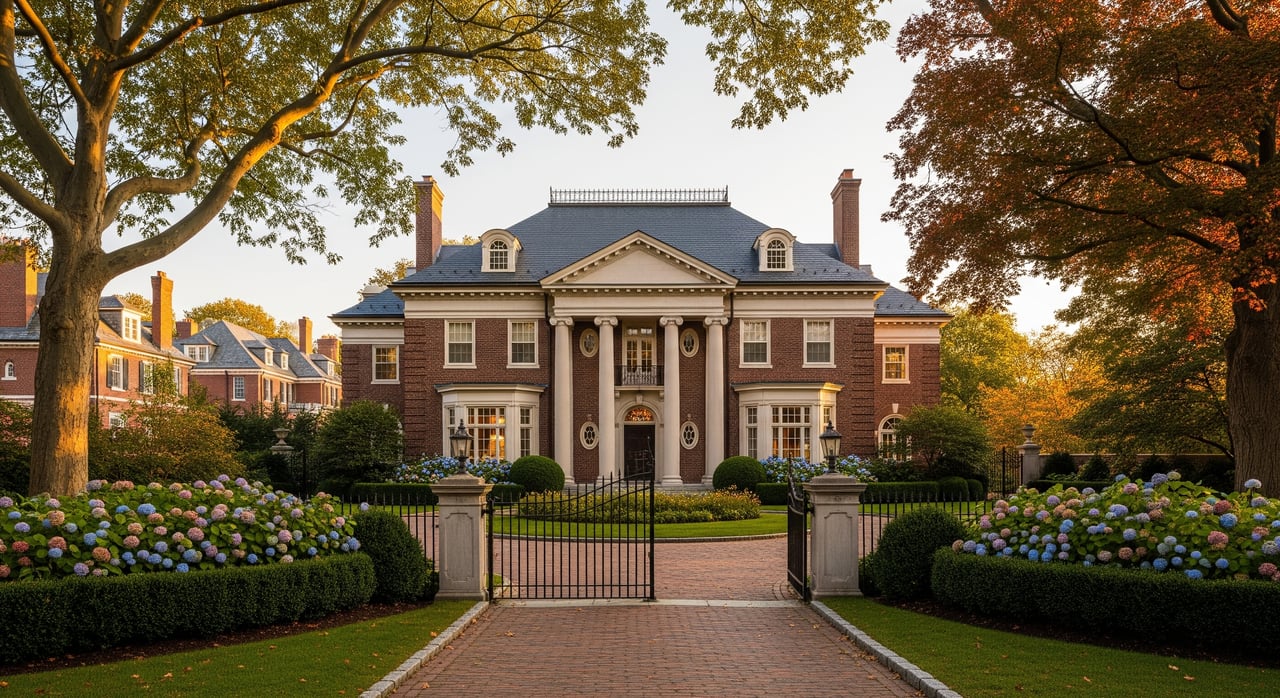
If privacy and acreage top your list, Weston’s zoning is purpose-built for estate living. Most of the town requires large minimum lots by district: District A is 60,000 square feet, B is 40,000, C is 30,000, and D is 20,000, with commensurate frontage and setback standards. These rules help preserve a low-density, country-like feel across much of the town. See the town’s table for specifics on each zone and frontage. View Weston’s zoning requirements.
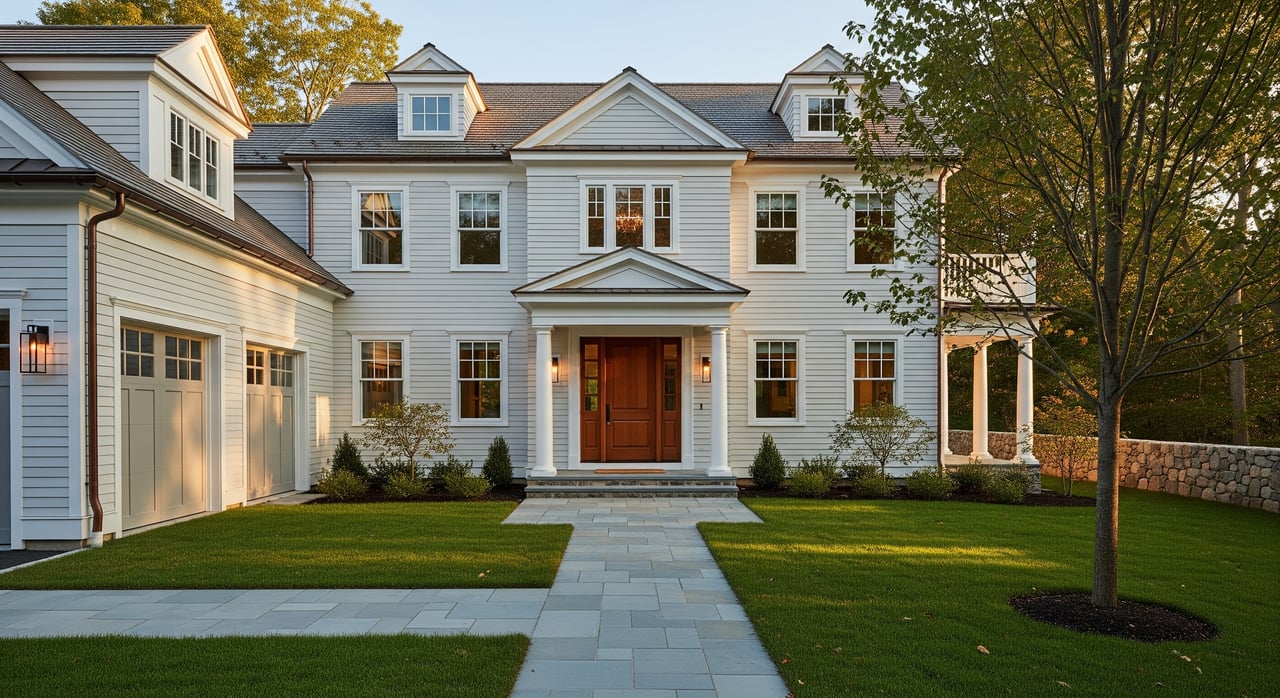
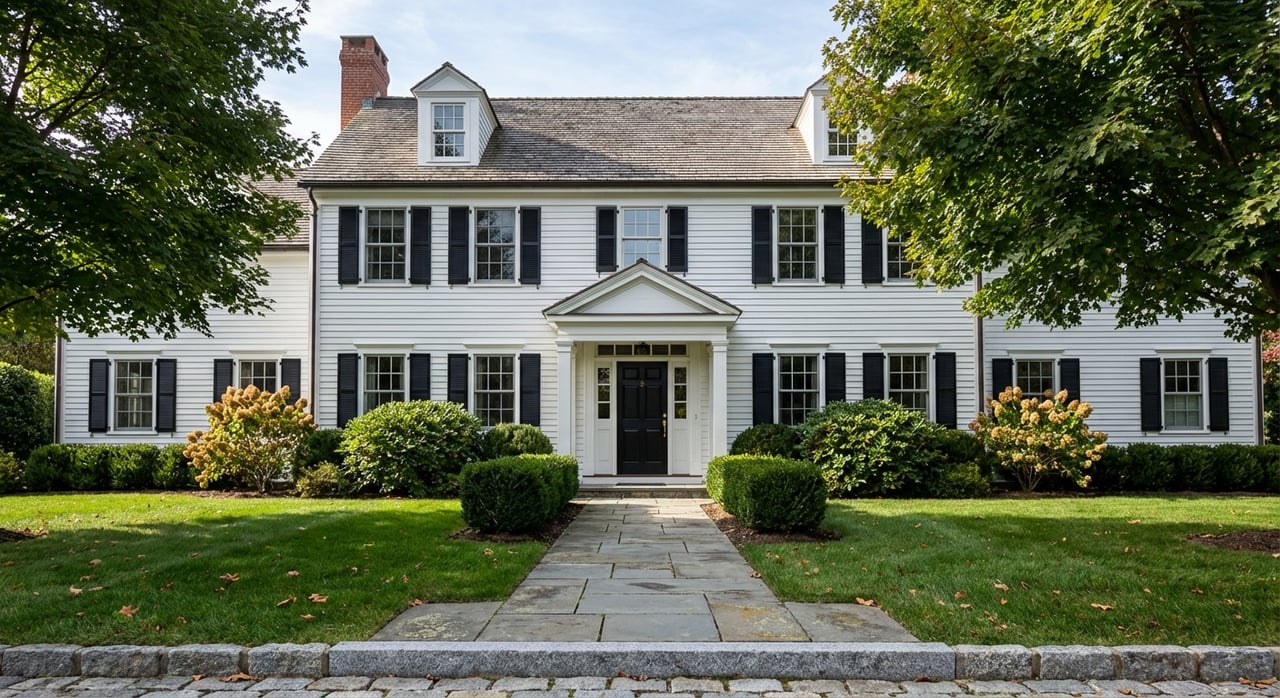
Wellesley’s fabric is more varied. Many single-residence districts set a minimum building site area around 20,000 square feet, while others allow smaller 10,000-square-foot lots or larger minima for certain uses. The bylaw also includes a build factor, large-house review, and overlay districts that shape where size and density can increase. The result is a mix of denser, near-center neighborhoods and larger-lot areas, with a tighter default lot pattern than Weston. See Wellesley’s zoning bylaw for full details.
Practical takeaway:
- If you want estate scale, long driveways, and room for amenities, Weston is the clearer path.
- If you want a luxury home near shops, dining, and transit with a smaller maintenance footprint, Wellesley often fits best.
Schools overview
Both towns’ public schools perform strongly on Massachusetts DESE accountability measures. Wellesley, a larger district with multiple elementary schools and an active middle and high school, consistently shows high performance and meets or exceeds improvement targets in recent reporting. You can review the latest accountability profile on the state site. See Wellesley’s DESE profile.
Weston’s district is smaller, with high performance indicators and strong MCAS proficiency rates. The town has also advanced facility planning in recent years, including participation in the state high school building program process. For a direct, objective comparison, look at accountability results, graduation rates, and advanced-course metrics. See Weston’s DESE profile.
When choosing between two high-quality systems, size, program breadth, and the feel of a smaller versus larger community often matter as much as scores. Visit schools, review course catalogs, and align with your student’s needs.
Commute and transportation
Wellesley has a clear edge on direct rail access to Back Bay and South Station. You have three Framingham/Worcester Line stations in town: Wellesley Square, Wellesley Hills, and Wellesley Farms. Typical inbound train times often run 25 to 40 minutes depending on local versus express service. Parking at lots can fill early on busy days, so last-mile planning helps. Explore Wellesley’s station options and tips.
Weston sits on the Fitchburg Line with Kendal Green as the main station and Silver Hill operating on a limited, flag-stop schedule that reopened in 2024. Typical inbound rides to North Station fall in the 28 to 40 minute range depending on the train. The town has limited retail and bus service, so many residents park and ride or drive to Route 128. See Weston’s transportation overview.
For broader context, mean commute times from the American Community Survey place Wellesley near 28 minutes and Weston near 27 minutes. Your door-to-door time will depend on exact address and schedule. Test both drive and rail during your typical office window if commuting is critical.
Lifestyle and carrying costs
Wellesley offers a more walkable, in-town lifestyle anchored by Wellesley Square and Linden Square. You’ll find a strong mix of dining, shopping, services, and cultural life supported by local institutions. Neighborhoods near the centers command a premium for convenience and rail access.
Weston emphasizes quiet, privacy, and access to conservation land. Retail is limited by design and most errands happen by car. If you see your weekends on your own grounds or out on trails, that tradeoff often feels worth it.
On property taxes, Wellesley’s FY2026 rate is $10.17 per $1,000 of assessed value. On a $2,000,000 assessment, that is about $20,340 per year before any exemptions. You can verify the current rate on the town’s official schedule. Review Wellesley’s tax rate history. For Weston, confirm the current year’s tax rate and a typical bill with the Town Assessor or Treasurer, since rates reset annually after local votes.
Permitting and renovation costs vary by town. Wellesley’s large-house review and build factor, and Weston’s conservation and large-lot standards, can impact the scope and timing of additions or new construction. Review bylaws early if you plan to expand.
Quick decision checklist
Choose Wellesley if you want:
- Walkable downtown life with regular dining and retail near Wellesley Square and Linden Square.
- Direct commuter-rail options to Back Bay and South Station from three in-town stations. See Wellesley’s stations
- A larger public school system with strong DESE accountability results and program breadth. Wellesley DESE profile
- A luxury home with a smaller land footprint and easy access to services.
Choose Weston if you want:
- Large lots and an estate feel, with minimums from 20,000 to 60,000 square feet depending on district. Weston zoning table
- A low-density, private setting suited to long drives, barns, and extensive grounds.
- A smaller public school community with strong DESE performance. Weston DESE profile
- You are comfortable with a more car-dependent lifestyle in exchange for quiet and privacy.
How to move from browsing to confident choice
- Define non-negotiables. Rank privacy, lot size, walkability, commute, and school factors.
- Compare by price band. Ask for sold comps and active listings in the $3 million to $5 million range to see how square footage, acreage, and condition vary between towns.
- Test the commute. Ride the train and drive at your peak hours. Note parking, timing, and route options.
- Walk the neighborhoods. Spend time near Wellesley’s centers and on Weston’s quieter roads. The feel on a Tuesday afternoon can be very different from a weekend morning.
Ready for tailored guidance? The Chamberlain Group blends renovation-first advisory with deep local market knowledge to help you evaluate tradeoffs, value potential improvements, and source on- and off-market opportunities that fit your brief. If you’re considering a sale, request a Complimentary Home Valuation to see how strategic updates and editorial marketing can elevate your outcome.
FAQs
How do prices compare in Wellesley vs. Weston today?
- Wellesley’s recent median sale is near $1.97M, while Weston shows wider variance with recent figures ranging roughly from $1.70M median sales to higher typical values depending on source and month; always review current comps. Wellesley trend Weston trend
Where will I get more land for a luxury home?
- Weston generally, due to zoning that requires large minimum lots from 20,000 up to 60,000 square feet by district, while Wellesley’s typical single-residence lots are smaller with a mix near town centers. Weston zoning Wellesley bylaw
Which town is better for Boston commuting by rail?
- Choose Wellesley if you want multiple stations to Back Bay and South Station on the Framingham/Worcester Line; choose Weston if you prefer the Fitchburg Line to North Station and accept fewer in-town station options. Wellesley stations Weston transit
How do the public schools compare on objective measures?
- Both districts post strong results on state accountability metrics; Wellesley is larger with broad programming and Weston is smaller with a close-knit feel, so check DESE profiles and visit schools to align with your student’s needs. Wellesley DESE Weston DESE
What should I expect for property taxes on a $2M home?
- In Wellesley, the FY2026 rate of $10.17 per $1,000 yields about $20,340 annually on a $2M assessment before exemptions; confirm Weston’s current rate with the Town Assessor since rates reset each fiscal year. Wellesley tax rate