Thinking about selling in Weston this spring and wondering which projects will actually move the needle? You are not alone. Estate buyers in Weston expect quality, comfort, and function, but that does not mean you need a full gut renovation to maximize your price. In this guide, you will learn which pre-sale improvements tend to deliver the strongest appeal and sensible ROI in Weston, how long they take, and how to avoid over-scoping. Let’s dive in.
Why Weston buyer expectations matter
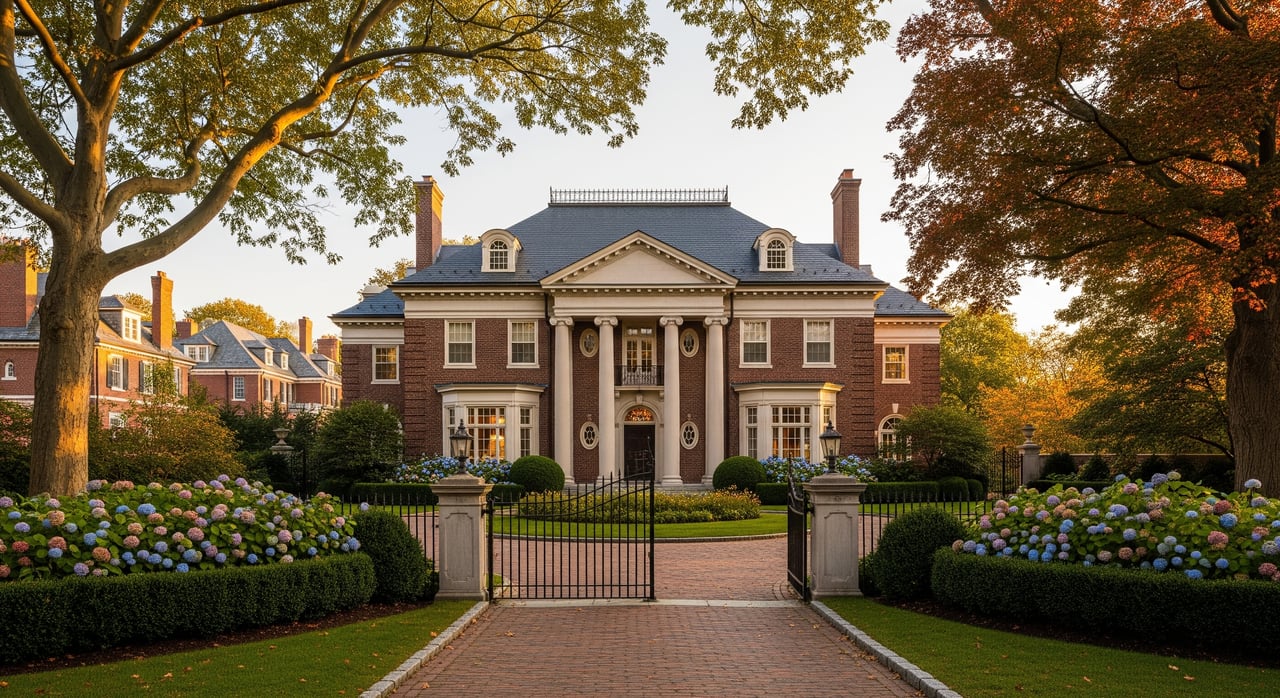
Weston is an affluent, low-density suburb with a large share of luxury and estate properties. Buyers compare homes to standards they see in nearby towns like Newton, Wellesley, and Concord. That means finishes and systems need to feel high quality and timeless rather than trendy or budget-focused.
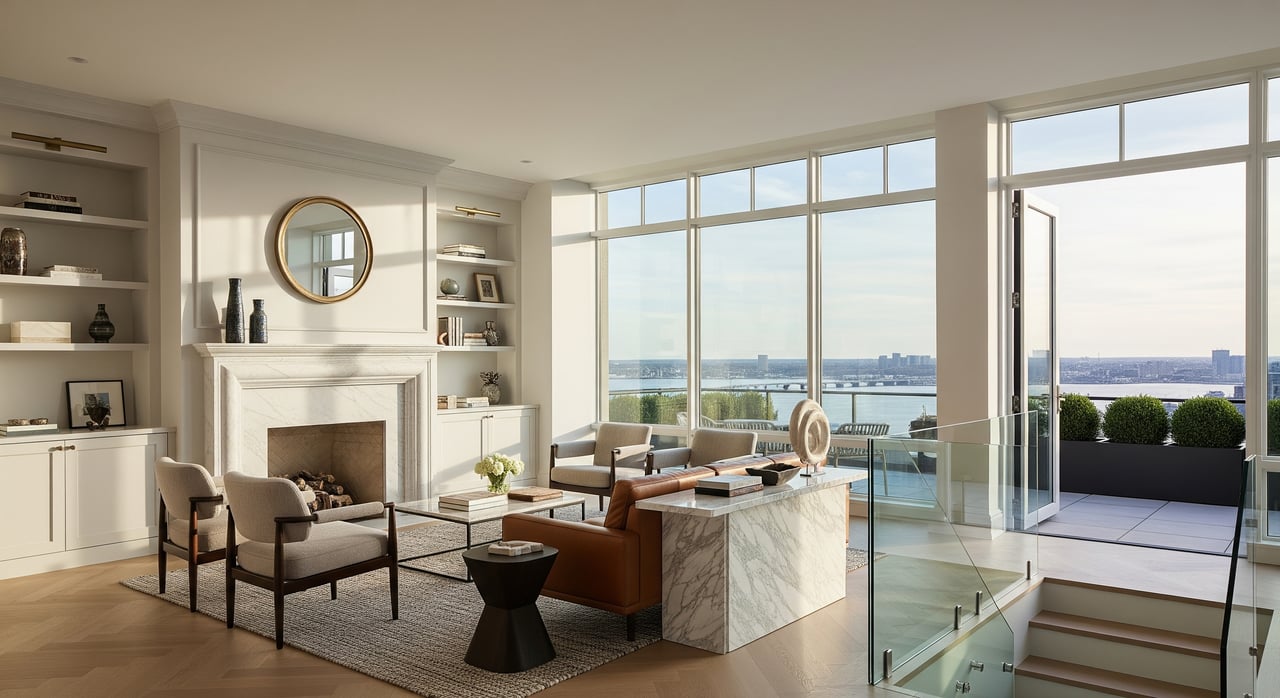
What buyers prioritize in Weston often includes move-in readiness, functional chef-inspired kitchens, restful primary suites, and outdoor privacy with space to entertain. Reliable mechanical systems are also expected. If these boxes are checked, your listing photographs better, shows with confidence, and negotiates from strength.
Kitchen: refine, do not necessarily gut
A kitchen drives first impressions. In Weston’s price bands, a thoughtful refresh often outperforms a lengthy full renovation for sellers aiming at the spring market.
High-impact, lower-risk scope
- Reface or paint cabinets and add new hardware.
- Replace counters with quartz or honed stone and update the sink and faucet.
- Improve lighting with task and ambient layers, plus under-cabinet fixtures.
- Swap in mid to high-quality appliances only if the current set is dated or failing.
- Add pantry organization and soft-close hardware.
Timelines and costs
- Cosmetic refresh: about 1 to 3 weeks. Cost roughly $5,000 to $25,000.
- Mid-range remodel: about 4 to 10 weeks. Cost roughly $50,000 to $150,000.
- Upscale gut: 10 to 16-plus weeks. Cost $150,000 to $300,000+.
ROI guidance
Cosmetic and mid-range upgrades often deliver stronger percentage ROI than a full gut. For a spring launch, the cosmetic-to-mid range zone usually balances speed, broad buyer appeal, and value recovery. Keep finishes neutral and timeless so the space photographs cleanly and supports higher offers.
Primary suite upgrades that resonate
A calm, functional primary suite can tip a buyer’s decision, especially in estate markets where privacy and comfort are prized.
High-impact elements
- Expand or better organize closets with custom shelving where practical.
- Refresh dated tile, vanities, and fixtures. Add dual sinks if the layout allows.
- Improve lighting and ventilation. Consider a heated towel bar or radiant floor if feasible.
- Add basic sound control if walls or ceilings are open during work.
Timelines and costs
- Cosmetic bath updates: about 1 to 2 weeks. Cost roughly $5,000 to $20,000.
- Full primary bath remodel: about 4 to 8-plus weeks. Cost roughly $25,000 to $75,000+.
ROI guidance
A tasteful primary bath remodel elevates the home’s perception and competitiveness. While ultra-luxury upgrades may not recoup every dollar, aligning quality with nearby comps often shortens days on market and supports stronger offers.
Outdoor living and curb appeal
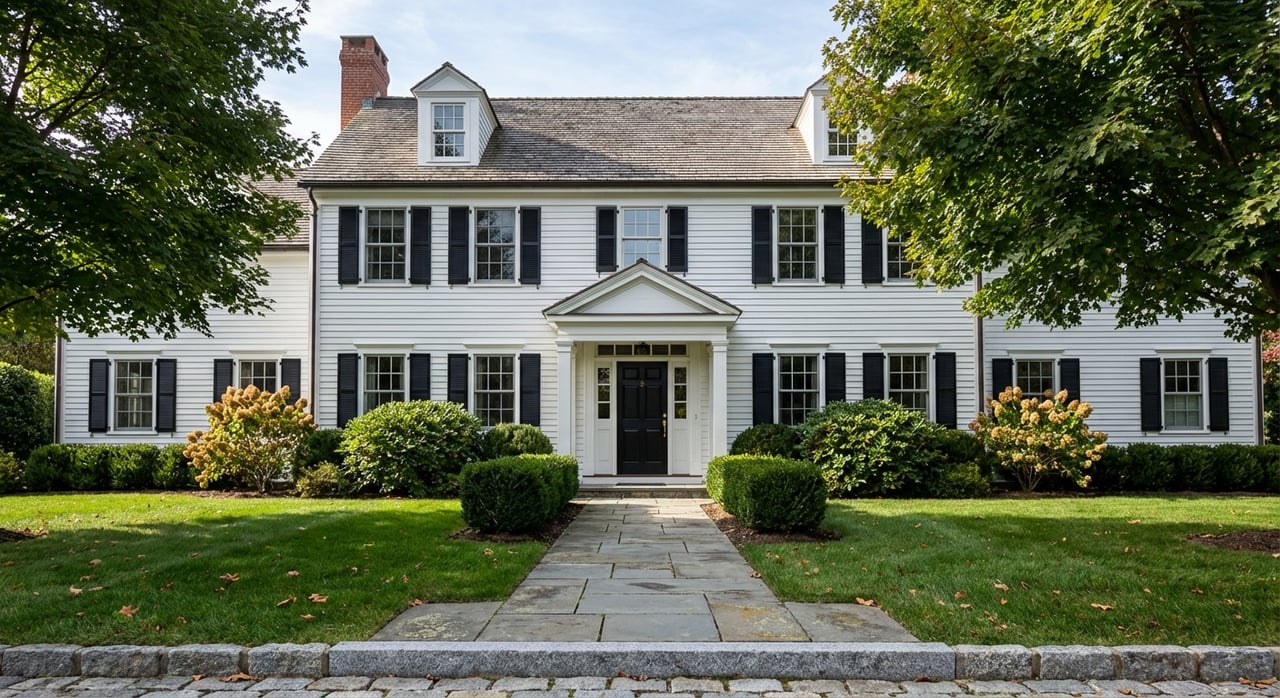
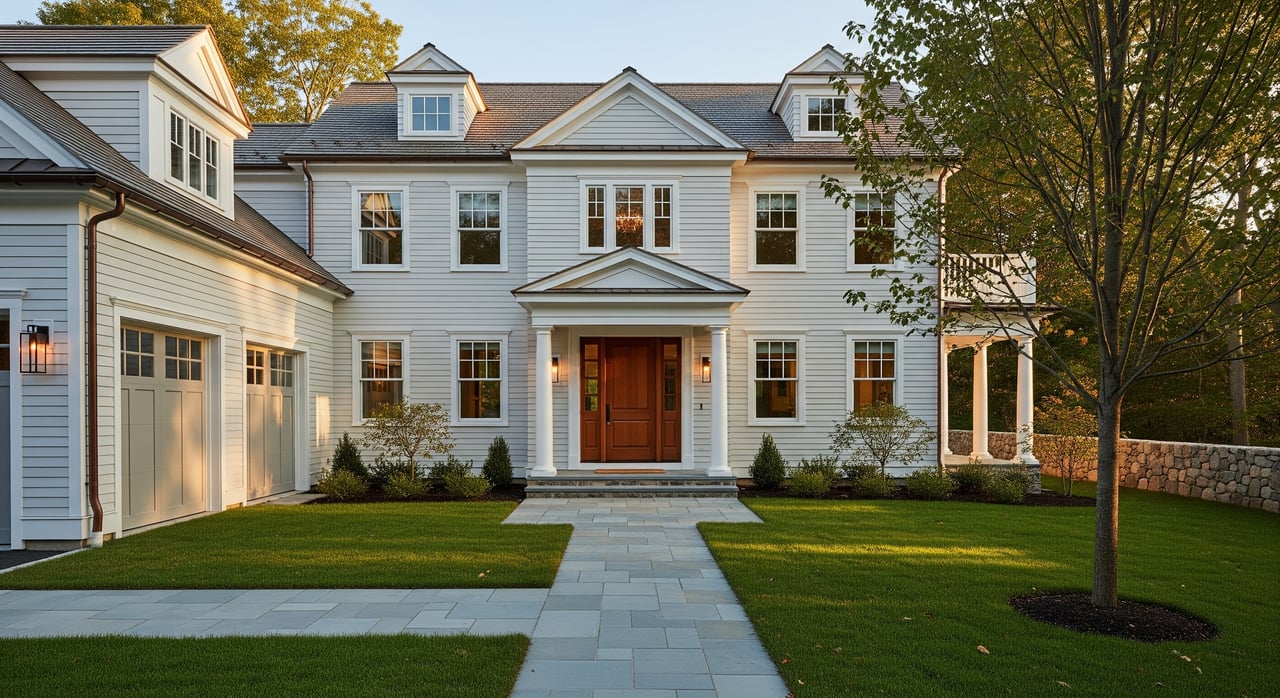
Weston’s larger lots invite outdoor entertaining. Buyers look for spaces that flow from kitchen to terrace or deck, and an arrival experience that feels polished and private.
High-impact elements
- Bluestone or paver terrace with integrated lighting and convenient kitchen access.
- Composite or treated wood deck, possibly a screened or covered porch.
- Professional landscaping that frames views, defines outdoor rooms, and strengthens curb appeal.
- Firepits, outdoor kitchens, or structured terraces can be attractive, but prioritize foundational hardscape and layout before high-cost amenities.
Timelines and costs
- Landscaping refresh: about 1 to 3 weeks. Cost roughly $3,000 to $15,000.
- Paver patio or modest terrace: about 2 to 4 weeks. Cost roughly $8,000 to $35,000.
- Deck or screened porch: about 3 to 6-plus weeks depending on permits. Cost roughly $15,000 to $75,000+.
ROI guidance
Curb appeal and functional outdoor living show up in photos and drive showings. These improvements frequently yield strong buyer interest. Highly customized outdoor kitchens may have diminishing returns relative to cost, so weigh that carefully.
Discreet systems upgrades that reduce friction
Estate buyers expect systems to be well-maintained or supported by documentation and warranties. Handling key items before listing can lower the chance of inspection credits and last-minute delays.
Priorities to assess
- Roof condition and gutters.
- HVAC age, efficiency, and zoning.
- Electrical service and panel capacity.
- Hot water system performance and age.
- Insulation, air sealing, and windows.
Timelines and costs
- Insulation and air sealing: 1 to 7 days. Cost roughly $1,000 to $10,000+.
- HVAC replacement: 1 to 7 days. Cost roughly $8,000 to $30,000+.
- Roof replacement: 3 to 7 days. Cost roughly $10,000 to $35,000.
- Electrical panel upgrade: 1 to 3 days, permitting varies. Cost roughly $2,500 to $8,000.
ROI guidance
Systems upgrades rarely return 100 percent in sale price, but they reduce buyer negotiation leverage and inspection-related concessions. Energy upgrades may be offset by local incentives and federal tax credits, which can improve net value. Keep receipts, permits, and warranty documents to present a complete story to buyers.
Permits, timing, and local considerations
In Weston, many structural, electrical, plumbing, roofing, deck, and major HVAC projects require permits and inspections. Outdoor work near wetlands or significant tree removal may involve additional reviews. Build in 2 to 6 weeks or more for permit processing on applicable projects.
For a spring listing, sequence work to finish several weeks before photography. Confirm contractor schedules and lead times early, especially for appliances or specialty materials that can extend timelines.
Avoid over-improving
It is easy to overshoot, especially when you want the home to shine. The key is to match your finishes and scope to what buyers expect at your price point.
- Benchmark against recent comps and active listings in Weston and nearby towns.
- Focus on quality and timeless choices rather than customization that narrows appeal.
- If you are up against the calendar, staging plus targeted cosmetic refreshes often outperform rushed major renovations.
- Fix safety and inspection-prone items to prevent buyer credits and delays.
A practical action plan for spring
- Step 1: Analyze comps. Review 6 to 12 sales and active listings to identify finish standards and system ages.
- Step 2: Prioritize quick wins. Kitchen cabinet paint or refacing, new counters, and lighting; fresh fixtures and paint in the primary suite; and focused curb appeal work.
- Step 3: Get bids and permit guidance together. Allow 2 to 6 weeks for quotes, permit decisions, and material lead times.
- Step 4: Build a buffer. Target completion 1 to 3 weeks before listing for staging, photos, and any pre-listing inspections you choose to do.
- Step 5: Document. Keep permits, warranties, receipts, and energy assessment reports organized for buyers.
Quick questions to cover with your team:
- Which items will be completed before showings vs. offered as a credit?
- Will contractors pull permits and close inspections on time?
- What is the target completion date, including weather or material delays?
- How will warranties and manuals be transferred to the next owner?
Budgeting by priority
If you are targeting the highest return on time and dollars for a spring sale, consider this priority order:
- Kitchen cosmetic-to-mid updates. Focus on cabinets, counters, sink, faucet, and lighting. Replace appliances if they are visibly dated.
- Primary bath refresh. Update tile, vanity, and fixtures. Add dual sinks if layout allows.
- Curb appeal and outdoor living. Landscaping refresh and a well-scaled patio or deck improve photos and showings.
- Critical systems. Address any roof, HVAC, electrical, or hot water items likely to trigger inspection objections.
This sequence helps you capture buyer attention while reducing negotiation risk.
How we help you choose wisely
As a boutique, renovation-informed team serving Greater Boston’s luxury corridor, we help you balance design, timing, and value. Our pre-sale advisory approach is grounded in market intelligence and hands-on renovation experience. We guide you on finish levels that match Weston comps, coordinate a sensible work plan with your vendors, and position your home with editorial-grade marketing so it stands out to qualified estate buyers.
Ready to calibrate scope, costs, and timing for your spring sale? Connect with the Chamberlain Group for a thoughtful plan and a data-backed path to market.
FAQs
What are the best pre-sale renovations for a Weston home?
- Target the kitchen with cosmetic-to-mid upgrades, refresh the primary bath, improve curb appeal and outdoor living, and address any systems that could derail inspections.
Should I do a full kitchen remodel before listing in Weston?
- Not usually if you aim for spring. Targeted improvements to cabinets, counters, lighting, and select appliances often deliver a better percentage ROI and finish faster.
Which systems are most important to fix before selling?
- Prioritize roof issues, aging or failing HVAC, electrical safety or panel capacity concerns, hot water systems, and basic insulation or air sealing that improves performance.
How much should I budget for pre-sale improvements?
- Start with goals for speed vs. maximum price. Many Weston sellers see the best returns with cosmetic-to-mid kitchen and bath updates, visible outdoor improvements, and essential systems fixes.
How do permits and timing affect a spring listing?
- Many projects require permits in Weston. Add 2 to 6 weeks for processing on applicable work and plan to finish upgrades 1 to 3 weeks before your listing goes live.
Do energy rebates or tax credits make a difference?
- Yes. Incentives and federal tax credits can reduce the net cost of efficiency upgrades. Keep documentation and confirm eligibility to improve both value and buyer confidence.