Craving space, privacy, and classic New England architecture without giving up Boston’s culture and convenience? In Brookline’s estate neighborhoods, you find tree‑lined streets, generous lots, and historic homes within minutes of village centers and the Longwood Medical Area. If you want a refined setting with daily-life ease, this guide shows you what to expect, how each area feels, and key considerations before you buy. Let’s dive in.
What estate living feels like
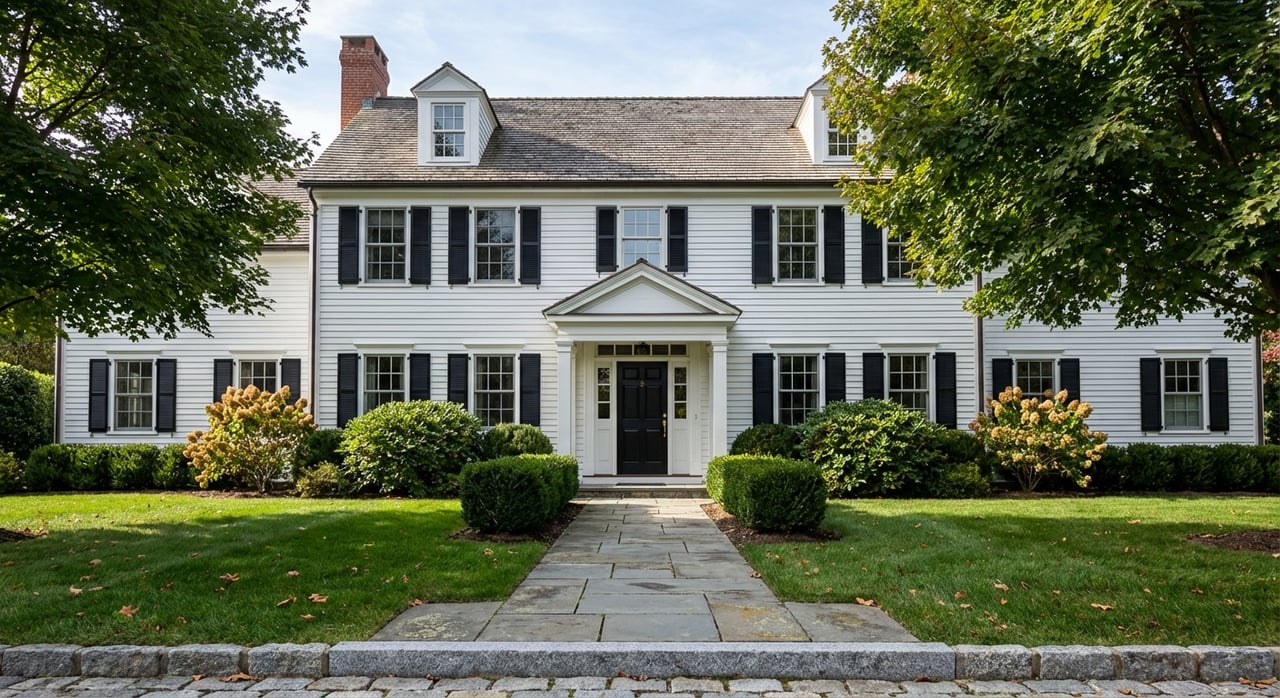
Estate neighborhoods in Brookline are quiet and green with an almost park-like atmosphere. You see stone walls, mature canopies, and deep setbacks that create privacy and a sense of arrival. Many homes were built in the late 19th and early 20th centuries, so you get high ceilings, period millwork, and gracious proportions. Daily conveniences are close, yet the streets feel calm compared to village-center blocks.
Brookline estate areas
Chestnut Hill
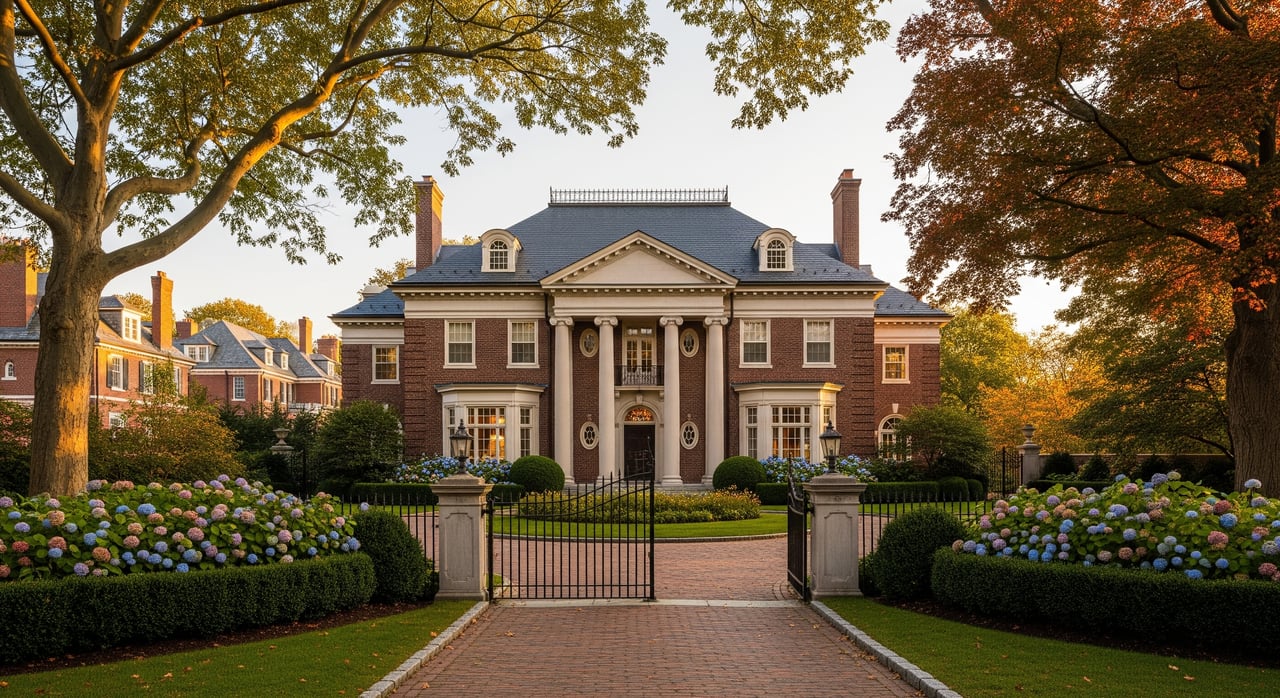
Chestnut Hill in Brookline has a traditional estate character near the Chestnut Hill Reservoir and stretches of Beacon Street and Commonwealth Avenue. Lots are larger, and many properties include gated entries, carriage houses, and detached garages. The architecture leans Colonial Revival, Georgian, Tudor Revival, and early 20th‑century mansions. Upscale shopping and services are nearby in Chestnut Hill and adjacent Newton, with easy access to Boston amenities.
Fisher Hill
Fisher Hill and the edges of Brookline Village offer quiet, residential streets with substantial homes and generous setbacks. The area’s topography creates some elevated lots and leafy outlooks. You will find Victorian, Shingle Style, Tudor, and Colonial Revival homes, often on deeper lots suitable for gardens or additions. Shops, dining, and transit in Brookline Village are close, and the Longwood Medical Area is a short commute.
Reservoir and Beaconsfield
Around the Chestnut Hill Reservoir and Olmsted Park, you get an urban‑yet‑green feel. Some blocks feature continuous rows of large, architecturally notable homes; others are more mixed in type. Brick and stone townhouses and freestanding mansions are common, with select properties backing to parkland or water views. Direct access to reservoir trails and the Emerald Necklace adds a daily outdoor rhythm to life here.
Brookline Hills and The Heights
Upper Beacon Street and adjacent blocks deliver a wider-street, residential setting with larger single‑family homes and well‑appointed multi‑unit buildings. Early 20th‑century houses often include high ceilings, detailed woodwork, and landscaped yards. Coolidge Corner and Brookline Village are a short distance away, so you can balance neighborhood calm with easy access to shops and restaurants.
Daily life and amenities
Coolidge Corner, Brookline Village, Washington Square, and Chestnut Hill are the main shopping and dining hubs. You will find cafes, independent bookstores, boutiques, and a strong mix of restaurants and services. Grocery and specialty food options are plentiful within a short drive or transit ride. Cultural institutions in Boston are close, so it is easy to enjoy museums, performances, and events.
Parks and green space are a highlight. The Chestnut Hill Reservoir and Olmsted Park connect to the Emerald Necklace, offering trails for running, strolling, and dog walking. Larger yards and mature plantings are common on estate blocks, which allows for private outdoor amenities like patios, gardens, and pools.
Schools and education
Brookline Public Schools are a major draw for many buyers considering move‑up purchases. The district includes multiple elementary schools, strong middle school options, and Brookline High School. There are also private schools and preschools in and near Brookline and neighboring Boston communities. School boundaries and enrollment policies can change, so check directly with the district for the most current assignment information.
Commuting and transit
The MBTA Green Line branches B, C, and D run through or along the edges of Brookline, providing frequent, surface‑rail access to downtown Boston, Back Bay, and the Longwood Medical and Academic Area. Many estate streets are within walking distance of a Green Line stop or a short drive away. Route 9 and access to the Mass Pike via nearby interchanges support regional car commutes, though peak periods can be congested. Your choice of area may depend on whether you prioritize transit walkability or quick access to highways.
Homes and architecture
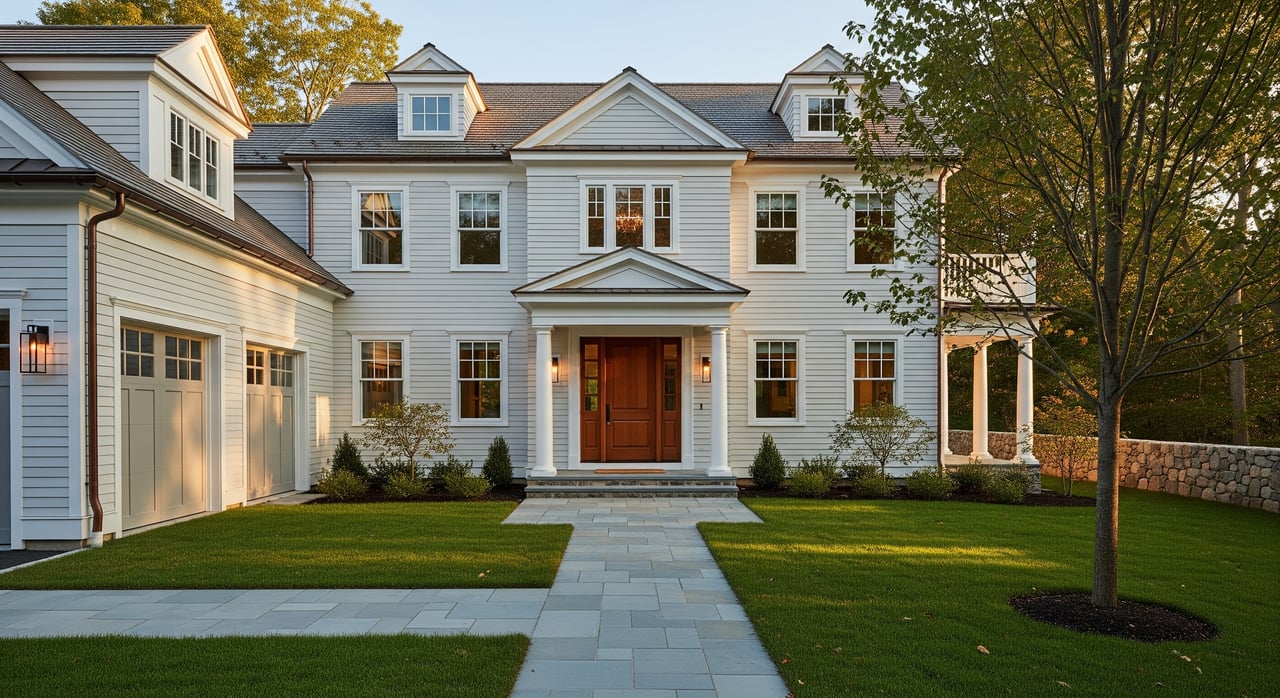
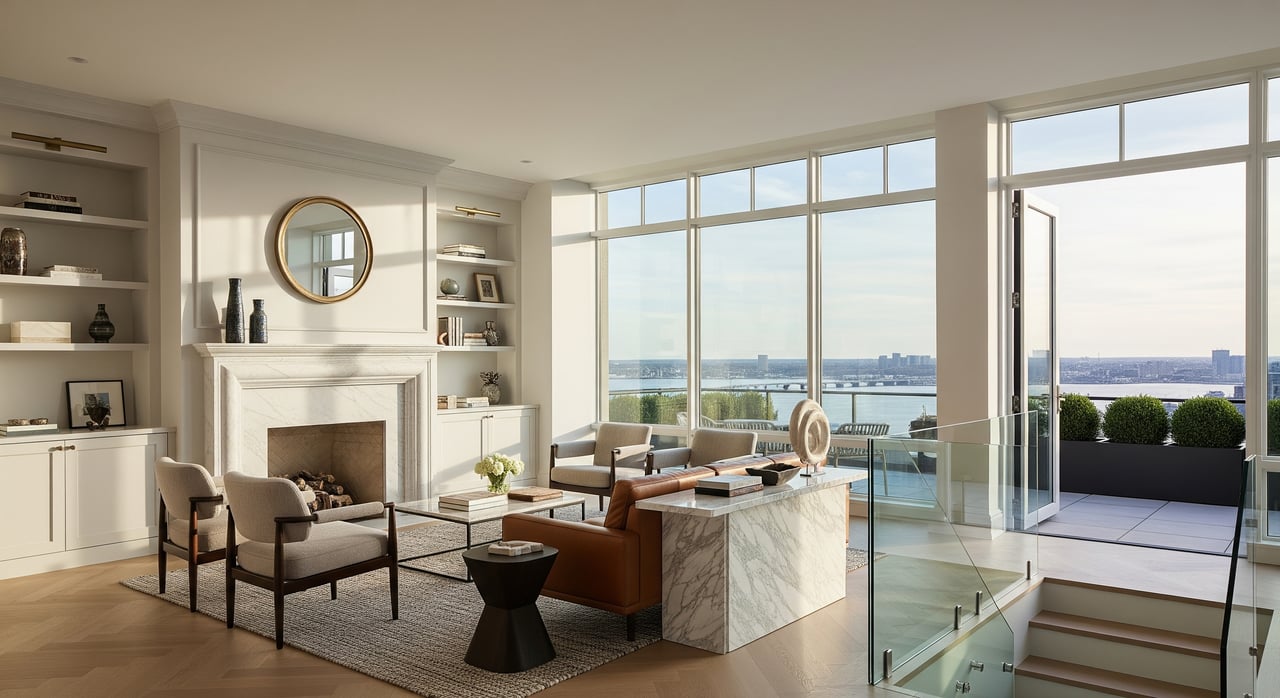
Estate areas are anchored by larger, older homes with architectural character. Common styles include Victorian, Shingle, Colonial Revival, and Tudor Revival. Typical features include high ceilings, large windows, stone or brick facades, expansive basements, and original service areas that may have been reimagined. Many properties have been updated with modern kitchens, mechanical systems, and finished lower levels while preserving historic details.
What to look for during tours:
- Entry sequence and light: foyers, stair halls, and window orientation.
- Structural and systems updates: foundation, roof, electrical, plumbing, HVAC.
- Potential for expansion: attic, basement, or carriage house possibilities.
- Outdoor zones: terraces, gardens, pool-ready space, and privacy.
Renovation rules and permits
Brookline has local historic districts and a preservation review process for exterior changes in designated areas. If a home is in a historic district or subject to preservation covenants, exterior alterations may require approvals. Zoning varies by street and affects setbacks, lot coverage, and floor area ratio, which influence additions or accessory structures. Consult the Town’s Building Department, Planning Board, and Preservation Commission early if you plan exterior work, and consider engaging a local architect with Brookline experience.
Ownership costs to plan for
Property taxes and assessments contribute meaningfully to monthly carrying costs, especially in affluent areas with higher assessed values. Older estate homes can require ongoing capital investment to keep them in optimal condition. Roofs, masonry, slate or specialty materials, insulation upgrades, and system replacements are common long‑term items. Insurance needs can differ for large, historic homes due to materials and rebuild costs, so pricing policies in advance is wise.
A simple prep checklist:
- Review recent tax assessments and projected taxes post‑purchase.
- Inspect roof, envelope, drainage, and foundation conditions.
- Evaluate electrical capacity and HVAC age and configuration.
- Obtain insurance quotes tailored to older, larger homes.
Buying smart in these areas
Inventory for large single‑family lots is limited, which supports long‑term value resilience. Buyers tend to prioritize lot size, privacy, architectural character, and proximity to transit and village centers. Thoughtful renovations that expand living space and modernize kitchens or baths typically draw strong demand at resale. If you plan updates, focus on design that respects the original architecture while improving function.
Practical steps before writing an offer:
- Confirm whether the property sits in a local historic district.
- Map distances to Green Line stops and village centers you plan to use.
- Verify driveway and garage capacity and any local parking rules.
- Review zoning limits for additions, accessory structures, or pools.
- Price future projects with a Brookline‑savvy architect and contractor.
Estate living vs village blocks
Estate streets feel quieter and more private with more green space and less foot traffic. You trade immediate storefront access for larger lots and calmer surroundings. For many, life is a short walk or drive to shops and transit rather than being right above them. If you value morning runs around the reservoir and evenings on a private terrace, the tradeoff is appealing.
Why work with a local specialist
Buying or selling a legacy property is part market intelligence, part preservation insight, and part storytelling. You benefit from guidance that aligns architecture, renovation potential, and neighborhood dynamics with your goals. A team with hands‑on restoration experience and deep Brookline pedigree can help you see both the beauty and the practical details: what to update, how to navigate approvals, and how to position a property for long‑term value.
If you are considering a move in Brookline’s estate neighborhoods, we can help you compare areas, evaluate homes with a renovation lens, and align timing with market conditions. Reach out to the Chamberlain Group to start a conversation.
FAQs
What makes Brookline’s estate neighborhoods unique?
- Larger lots, mature tree canopy, and architecturally significant homes create a quiet, green setting close to village centers and Boston institutions.
Which Brookline areas are considered estate caliber?
- Chestnut Hill, Fisher Hill, Reservoir and Beaconsfield, and parts of Brookline Hills and The Heights feature larger lots and notable period architecture.
How close are these areas to transit and Boston?
- MBTA Green Line branches B, C, and D run through or near Brookline, with access to downtown Boston, Back Bay, and the Longwood Medical and Academic Area.
What should I know about renovating a historic home in Brookline?
- Some areas require review for exterior changes. Check zoning, lot coverage, and historic district rules, and consult the Town and a local architect early.
Are Brookline Public Schools a draw for buyers?
- Yes. The district is well regarded, and families consider school programs and assignments. Always verify current enrollment policies with the district.
What ongoing costs should I plan for with an older estate home?
- Budget for property taxes, system upgrades, roof and envelope maintenance, masonry or slate work, and insurance tailored to larger, historic structures.