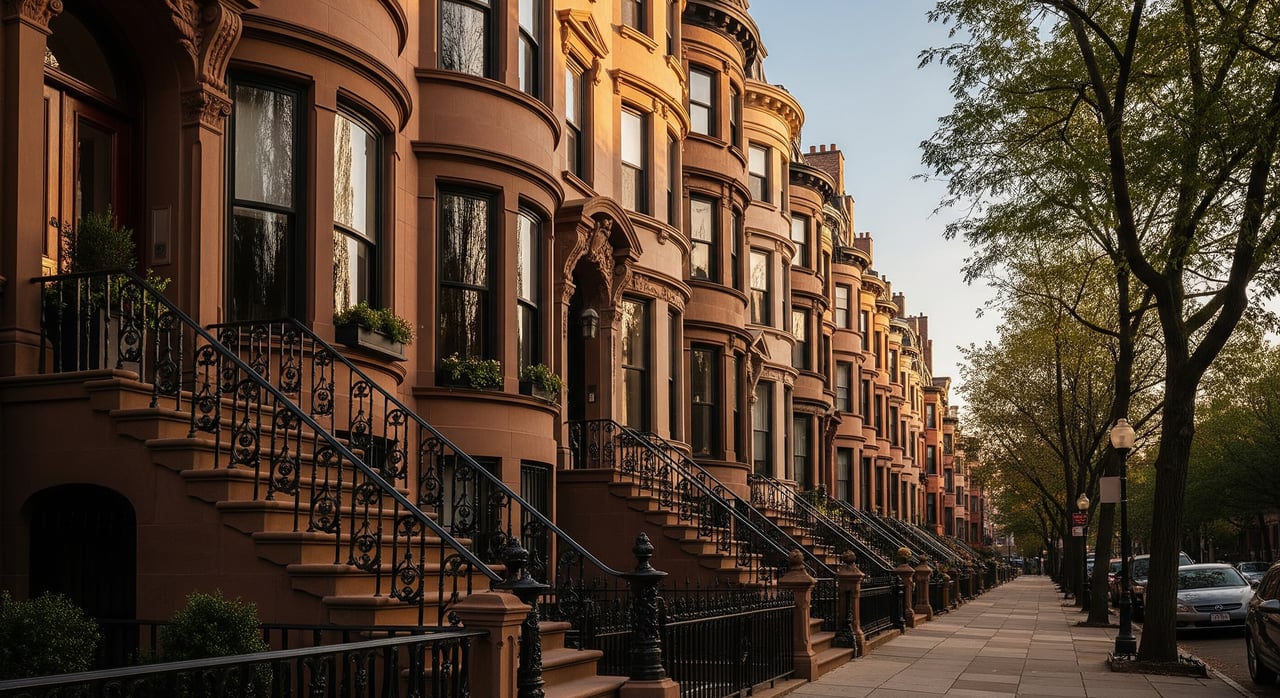
Ever dream of a Back Bay brownstone but feel unsure about stoops, parlor levels, or what it really takes to own one? You are not alone. These homes are beautiful and historic, which also means unique layouts, specific maintenance needs, and important rules to understand. In this guide, you will learn key vocabulary, common building features, ownership structures, due diligence steps, and the local approvals that shape what you can change. Let’s dive in.
What “brownstone” means in Back Bay
Back Bay’s signature streets were built in the 1800s, and many façades read as classic brownstone even when materials vary by block. The neighborhood sits within a protected architectural district, and exterior changes typically require review by city boards. You should expect that items like windows, masonry work, and rooftop additions are not do‑it‑yourself decisions.
For an overview of the local rules, review the Back Bay Architectural District page from the Boston Landmarks Commission. It explains why the streetscape looks so cohesive and why proper permits and approvals matter.
Quick vocabulary guide
- Brownstone: Originally a type of sandstone used for façades and trim. In Boston, the word often describes the look of a 19th century rowhouse even when the building includes brick or limestone.
- Stoop: The exterior steps and landing leading to the main entry. In Back Bay, the stoop usually brings you to the parlor level one floor above the street.
- Parlor level or piano nobile: The primary entertaining floor with higher ceilings and larger windows. Often accessed from the stoop.
- Garden level or lower level: The street‑facing basement level. It may have a separate entry, utilities, or living spaces if converted.
- Townhouse or rowhouse: Narrow, vertically stacked homes that share party walls with neighbors.
- Parlor plan or double parlor: Traditional front and rear formal rooms, sometimes separated by pocket doors.
- Architectural features: Bay windows, cornices, brackets, lintels, railings, belt courses, pocket doors, plaster mouldings, built‑ins, and decorative fireplaces.
If you want a deeper dive into period terms and materials, organizations like Historic New England offer helpful primers on house vocabulary and stewardship.
Layouts and daily living
Back Bay brownstones began as single‑family homes, and many still are. Others were converted into condominiums with one unit per floor or a mix of garden, parlor, and upper‑floor residences. Co‑ops do exist in Boston but are less common than condominiums, so always confirm the legal form before you tour.
Stairs are part of daily life in most of these homes. Stoops, interior flights, and tall floor‑to‑ceiling heights are typical. Elevators are rare in original rowhouses, and installing one can be complex within a historic footprint. Keep this in mind for move‑in logistics and for long‑term accessibility.
Typical unit configurations
- Single‑family: Original vertical flow from garden level to parlor to bedrooms above. Many have been modernized inside while retaining historic detail.
- Condo conversions: Garden‑level flats, statement parlor‑level units, and upper‑floor residences are common. Ceiling heights are often highest on the parlor level, with cozier proportions on upper floors.
- Interior character: Expect plaster walls, hardwood floors, mouldings, original staircases, pocket doors, and a mix of historic and updated systems. Open‑plan kitchens may replace original service spaces in renovated homes.
What to inspect and why it matters
Older buildings reward good maintenance. They also magnify deferred issues. Your due diligence should include a standard inspection plus specialists when the building’s age and materials warrant it.
Masonry and façades
Porous stone and brick need periodic care. Brownstone can flake or spall. Mortar joints can crack. Cornices and lintels take abuse from water and freeze‑thaw cycles.
- Ask for documentation of recent repointing or professional façade restoration.
- Plan for a masonry‑focused inspection if you notice cracking, spalling, or mismatched patches.
- Cleaning methods matter. The National Park Service warns against abrasive approaches for historic masonry. You can review relevant guidance in the NPS Preservation Briefs.
Water infiltration and basements
Back Bay was built on landfill, and while that base is stable today, basements still face typical urban moisture risks. Look for efflorescence, musty odors, peeling paint, water staining, buckled floors, or foundation cracks. If the garden level is used as living space, verify waterproofing, egress, and permits.
Roofs, chimneys, and gutters
Gutters, downspouts, and hidden cornice systems can cause interior leaks if they fail. Chimneys often need work, and many flues are not usable without repair. Roofing materials vary, and replacement costs can be significant on multi‑unit buildings.
Windows and doors
Original windows are common. They can be drafty but are repairable. Replacement can trigger historic review in the district, so confirm that any past or planned window work follows district guidance.
Mechanical systems, wiring, and plumbing
Expect a range of ages and types. Older steam or hot‑water boilers and cast‑iron radiators are common. Wiring may include legacy components, and plumbing may have galvanized or older cast iron. Pre‑1978 buildings can have lead paint, and older pipe insulation can contain asbestos. Learn more about testing and remediation from the EPA’s lead safety resources.
Interior finishes and structure
Plaster, mouldings, and stair systems can be in excellent condition or may need specialist repair. Watch for hidden rot, prior cut joists, or unpermitted changes from past conversions.
A smart inspection plan
- Standard home inspection covering structure, roof, electrical, plumbing, and HVAC.
- Masonry and façade specialist if you see stone or brick deterioration.
- Chimney and flue inspection for any working fireplaces.
- Historic‑building consultant or architect when extensive original fabric or major alterations are present.
- Lead paint and asbestos testing for pre‑1978 homes.
Ownership, associations, and approvals
Most converted brownstones in Back Bay are condominiums. You own your unit and share responsibility for common elements like the roof, façade, and stairwell through the association. Review the master deed or declaration, bylaws, rules, budget, reserve study, insurance certificates, and recent meeting minutes. Massachusetts condominium law is set out in Chapter 183A. It provides the framework for governance and disclosure.
Association health is a priority. Low reserves, frequent special assessments, unresolved litigation, or deferred façade work are red flags. Ask whether recent exterior projects received the required approvals.
Because Back Bay is a local historic district, exterior changes often require review and approval. That can include masonry repair methods, window replacements, stoop work, and rooftop additions. Interior changes usually do not require design review unless a building has special protections. You can confirm the district’s scope on the Boston Landmarks Commission’s Back Bay page.
Financing and insurance realities
Lenders look closely at older buildings. Big deferred projects can impact appraisals or approval, especially in associations with limited reserves. Insurance for historic materials and older systems can carry higher premiums or require specific riders. For multi‑unit buildings, expect lenders to ask for budgets, reserve studies, and proof that common elements meet current standards.
Engage an insurance agent who understands historic properties early in your process. This helps you model true carrying costs and plan for long‑term ownership.
Buyer due diligence checklist
Use this as a quick reference before you write an offer.
Pre‑offer checks
- Confirm the legal form of ownership: single‑family, condominium, or co‑op.
- Request available condition documentation: inspections, engineer reports, and masonry or roofing invoices.
- Verify whether the property is within the Back Bay Architectural District by reviewing the district guidance.
Inspections and specialists
- Standard home inspection for structure, roof, electrical, plumbing, and HVAC.
- Masonry or façade specialist if brownstone or significant pointing work is visible.
- Chimney and flue inspection if fireplaces are in use.
- Historic‑building consultant or architect for complex projects or sensitive materials.
- Lead paint and asbestos testing for pre‑1978 homes.
Documents to request for condos
- Master deed or declaration and bylaws, current operating budget, reserve study, and insurance summary.
- Meeting minutes for 2 to 3 years, plus any statements of special assessments or planned capital projects.
- For conversions, ask for permits and approvals, fire separation compliance, and certificates of occupancy.
Questions to ask
- When was the last full façade repointing or stone restoration performed?
- When was the roof last replaced and what is the expected lifespan?
- Are there active or planned assessments for façade, roof, elevator, or mechanical work?
- Have windows been replaced, and did the association secure any required approvals?
- What are typical annual heating and utility costs?
Red flags to watch
- Recurrent water infiltration without a clear remediation plan.
- Significant structural alterations with missing permits.
- Very low reserves alongside obvious capital needs.
- Untreated hazardous materials with no remediation plan.
Resale and long‑term outlook
- Appraisals should use true comparable rowhouse properties with similar renovations.
- Statutory disclosures apply in Massachusetts. Make sure known defects are documented.
- Resale demand is typically strong in Back Bay, but condition, practicality, and ease of living influence price.
Why thoughtful guidance matters
A Back Bay brownstone can be a legacy purchase. The charm is real, and so are the details that drive value and comfort over time. A careful plan for inspections, association review, and historic approvals helps you buy with confidence and set realistic expectations for ownership.
If you are exploring Back Bay or planning a move across Greater Boston, connect with the Chamberlain Group. Our team blends renovation‑informed advice with concierge‑level service to help you weigh condition, approvals, and long‑term value. Let’s align your wish list with the reality of a historic home and map the right next steps for your search.
FAQs
What is the parlor level in a Back Bay brownstone?
- It is the principal entertaining floor one level above the street, usually accessed from the stoop, with higher ceilings and larger windows.
Do I need approval to replace windows in the Back Bay Architectural District?
- Exterior changes like window replacements often require review and approval, so check the Boston Landmarks Commission’s Back Bay guidance before planning work.
What inspections should a condo buyer in a brownstone order?
- Start with a full home inspection, then add masonry or façade review, chimney and flue checks, and testing for lead or asbestos in pre‑1978 buildings as needed.
How do condo reserves and assessments affect my purchase in Back Bay?
- Low reserves and ongoing or planned assessments signal higher near‑term costs and risk, so review the budget, reserve study, and recent minutes closely.
Are fireplaces in Back Bay brownstones typically usable as is?
- Many chimneys and flues need repair before use, so schedule a chimney inspection and budget for updates if you want working fireplaces.
What are the biggest maintenance risks for historic façades in Back Bay?
- Moisture damage and freeze‑thaw cycles drive spalling stone, failing mortar, and cornice issues, which is why the NPS Preservation Briefs stress proper methods and materials.